
The AKH Vienna ranks among the world’s best hospitals, offering top care for medical tourists and emergencies. Get expert treatment, fast ER access, and travel tips.
Akh Hospital Vienna: One Of Europe’s Best Medical Centres
AKH Hospital Vienna (Allgemeines Krankenhaus der Stadt Wien) also known as Vienna General Hospital was established over 300 years ago. It has grown into one of Europe’s most advanced hospitals, serving as both the city’s university hospital and the home of the Medical University of Vienna.
In a ranking of the best hospitals in the world the University Hospital AKH Vienna and its university hospitals were placed 25th among more than 2,400 clinics in 30 countries. (source: ‘World’s Best Hospitals 2024’, US news magazine Newsweek)
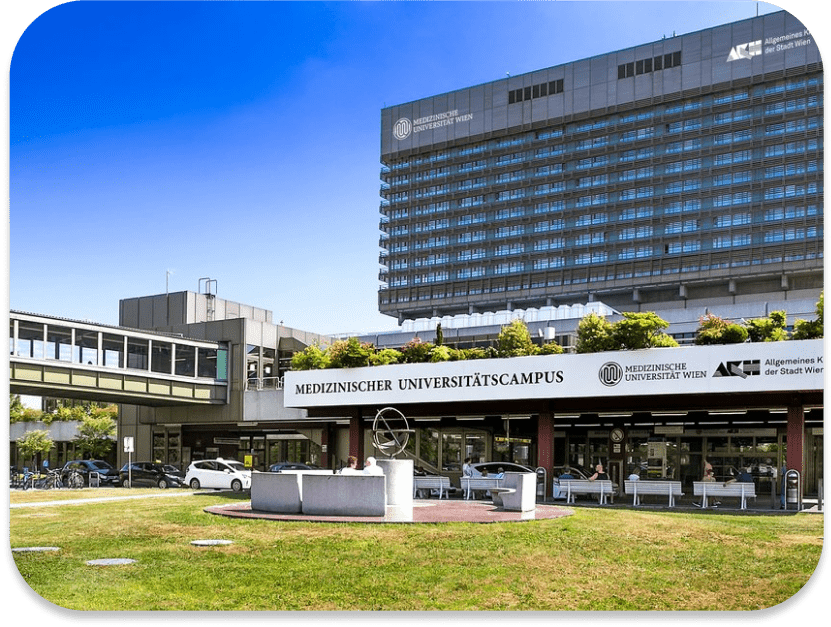
Situated at Währinger Gürtel 18-20 in Vienna’s 9th district, this hospital is well-regarded for its extensive resources, research, and world-class patient care.
Facilities at AKH Hospital Vienna
AKH Wien is massive in both size and scope, ranking as Europe’s fifth-largest hospital with over 10,000 staff members, 1,600 doctors, and more than 1,900 beds. Spread across various departments, the hospital comprises:
- 5 Clinical Institutes
- 26 Partner Hospitals
- 42 Specialized Departments
- 60+ Outpatient Departments
- 51 Operating Rooms
- 21 Intensive Care Units
- 20+ Procedure Rooms
- 7 Post-operative Recovery Rooms
This infrastructure enables AKH to manage a vast number of cases, with more than 100,000 hospital admissions annually and around 600,000 outpatient visits. Its specialties range widely, encompassing both general and advanced fields of medicine, from cardiology and neurology to cosmetic and reconstructive surgery. Notably, AKH’s neurology institute, oncology center, and biochemistry laboratory have gained significant recognition for their research and patient outcomes. Some of AKH’s renowned specialties include:
- Aesthetic and Reconstructive Surgery
- Pulmonology and Otolaryngology
- Ophthalmology
- Immunology
- Neurology and Neurosurgery
- Endocrinology and Dermatovenerology
- Gastroenterology and Proctology
- Gynecology and Obstetrics
- Rheumatology, Orthopedics, and Rehabilitation
- Dentistry
- Urology and Nephrology
- Oncology and Oncohematology
- Anesthesiology
These units contribute to AKH’s reputation as a destination for comprehensive and modern medical care, specializing in diagnostic procedures and treatments, including organ transplants like bone marrow, lung, liver, heart, and kidney.
If you visit Vienna, you’ll see its entrance building features an admission and discharge office, a porter and information desk, and a Baby Point for processing birth certificates. Moreover, visitors can enjoy refreshments at the bakery, grocery, snack bar, and coffee shop. Additional amenities include a bank with self-service options, a post office, and shops for medical and sanitary goods. For those needing to stay connected, multimedia terminals and coin-operated telephones are also available. Importantly, the Pastoral Care Centre on Level 5 provides prayer rooms for reflection and spiritual support, creating a welcoming environment for everyone.
Where is AKH Hospital Vienna Located?
 The hospital’s location in Vienna’s 9th district at Währinger Gürtel 18-20 places it near notable cultural landmarks, including the Kunst Haus Wien and the Belvedere Palace Museum. Its campus itself is impressive, featuring an art gallery, cafe, florist, and multimedia terminals. This combination of high-standard medical services and a supportive environment makes it a valued part of Vienna’s healthcare system. Its visiting hours are from 2-7 pm every day and is easily accessible.
How Medical Tourists Can Access Healthcare At AKH Wien
The Vienna General Hospital (AKH Wien) is renowned for its exceptional healthcare services, advanced research, and role as a leading teaching institution in Austria’s capital. For medical tourists considering treatment at AKH Wien, here are some practical tips:
Medical Services and Specializations
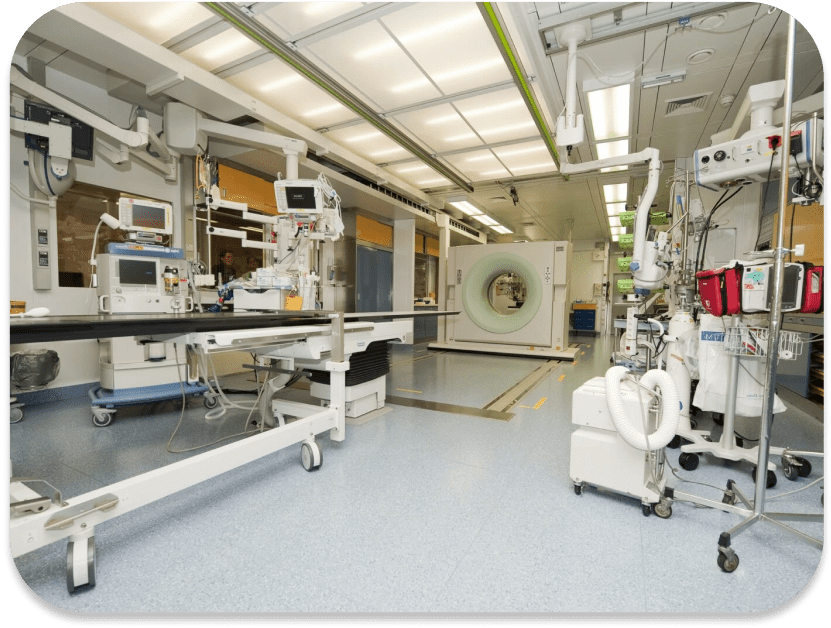
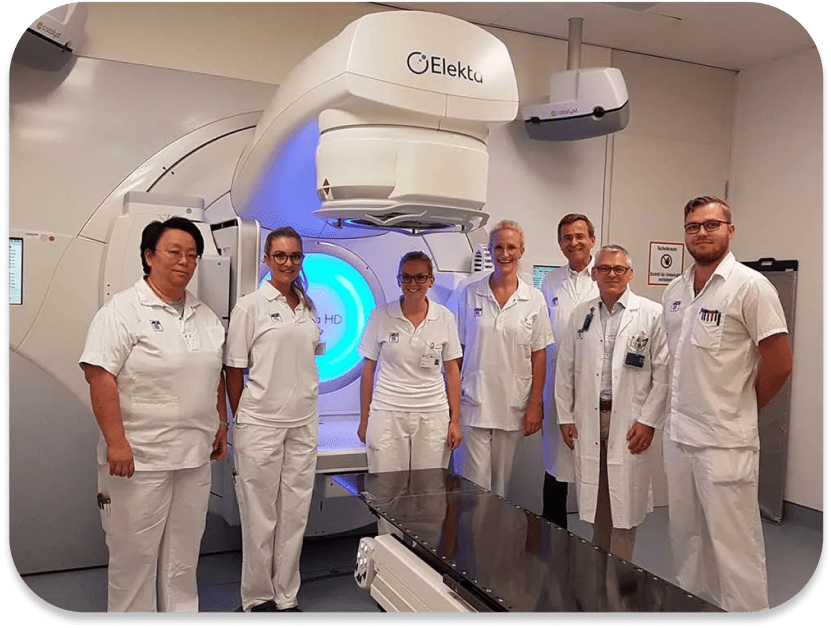
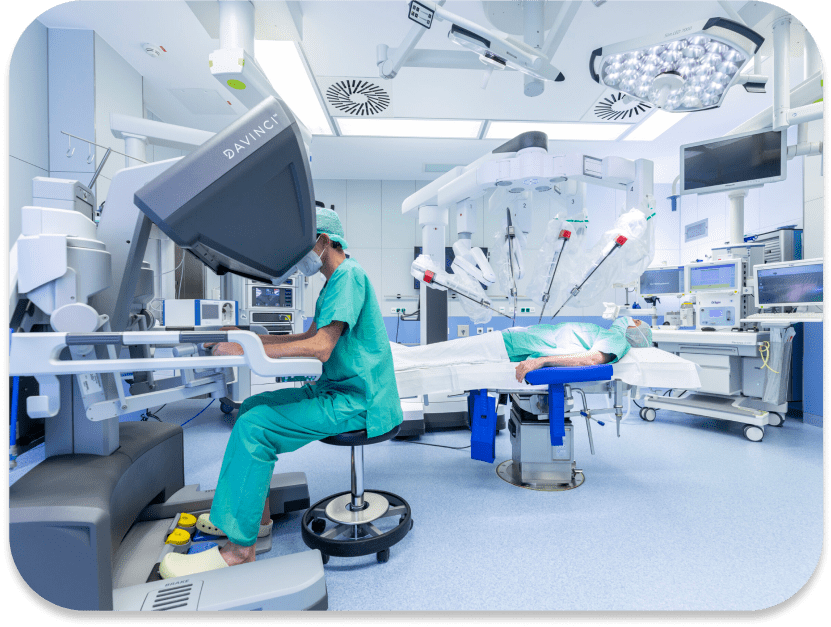 AKH Wien offers a comprehensive range of medical services across various specialties, including oncology, cardiology, neurology, and orthopedics. The hospital is equipped with state-of-the-art technology and staffed by experienced professionals, ensuring high-quality care for both inpatients and outpatients.
Appointment Scheduling
 To arrange a consultation or treatment, it’s advisable to contact the hospital well in advance. You can reach out directly through the hospital’s official website or via international patient departments that assist with scheduling and coordination. Providing detailed medical records and information about your condition will help in facilitating the process. You can reach out directly through the hospital’s official website www.akhwien.at or via phone at +43 1 404 00-0. For further assistance get in touch.
Language Support
 While German is the primary language in Austria, English is widely spoken in medical settings. However, to ensure clear communication, especially regarding complex medical information, consider arranging for a translator or confirming the availability of English-speaking staff during your visit.
Accommodation near the AKH Wien
 Vienna offers a wide range of accommodation options to suit various budgets. Some patients prefer staying in hotels close to the hospital for convenience. To plan your stay check available space in nearby hotels and holiday apartments in the districts of Alsergrund (9th) and Währing (18th).
Travel And Transportation
 Vienna is well-connected internationally, with Vienna International Airport serving numerous global destinations. The city boasts an efficient public transportation system, including buses, trams, and subways, making it easy to navigate. For those seeking convenience, taxis and ride-sharing services are also readily available.
Cultural Considerations
 Austrians value punctuality and formality. When interacting with medical professionals, it’s customary to use formal titles and greetings, for example “Herr Doktor” or “Frau Doktor”. While English is commonly spoken, learning a few basic German phrases can enhance your experience and show respect for the local culture.
Cost and Insurance
 Medical costs in Austria can be lower than in some Western countries as per their fee schedule for private patients and foreign citizens. but it’s essential to obtain a detailed estimate before proceeding with treatment. To obtain further details or to arrange a consultation, you can contact the hospital directly through their official website www.akhwien.at or by calling +43 1 404 00-0. Your social security provider will give you information about cost reimbursement. For emergency treatments, ensure that you have comprehensive travel health insurance that covers medical procedures abroad.
Post-Treatment Care
 AKH Wien provides excellent post-operative care and rehabilitation services. Discuss the specifics of your recovery plan with your healthcare provider to understand the duration of stay required and any follow-up treatments. If extended rehabilitation is necessary, Vienna has specialized centers that offer comprehensive programs.
Is The Vienna General Hospital Affordable?
AKH is known for offering high-quality care at relatively affordable prices. A consultation with a specialist, for example, is around EUR 200—significantly less than comparable clinics in Germany. You can learn more about their services here
With its central location near Vienna’s U6 metro line and multiple bus stops, it is accessible and includes convenient on-site facilities, from restaurants and shops to banks and 24/7 ATMs. The hospital also features an underground car park with space for 800 cars, further simplifying visits for patients and visitors.
Collaboration Between The AKH Hospital Vienna and the Medical University of Vienna
Vienna Hospital, alongside the Medical University of Vienna, functions as a pivotal training center, educating more than 11,000 students annually. It emphasizes research-driven care, maintaining a mission of “research and teaching for the good of the patient.”
Modern Excellence and Innovations
Vienna Hospital is constantly integrating new medical technologies, enabling a range of complex surgeries, including heart, kidney, and pancreas transplants. The hospital’s skilled team, led by renowned specialists such as Dr. Gilbert Beran (cardiology), Dr. Gerhard Prager (endocrinology), and Dr. Georg Schatzl (urology), represents some of the best in Austrian and European healthcare. This dedicated team of specialists ensures AKH Vienna hospital patients receive exceptional medical care across all specialties.
AKH also has cooperative agreements with top health insurance providers across Austria and Europe, helping to make treatments more accessible to international patients.
Historical Legacy
The origins of AKH Hospital Vienna go back to 1693 when it was established as a military hospital for disabled veterans, due to the efforts of Dr. Johann Franckh and Emperor Leopold I. Officially opened as a general hospital in 1784, the institution quickly became a hub for medical advancement. Notably, pioneers like Ignaz Semmelweis, who made essential discoveries in hygiene practices, and Karl Landsteiner, who identified blood groups, conducted groundbreaking research here. The original hospital site, known as the “Old AKH,” is now the main campus of the University of Vienna.
Among its notable historical features is the Narrenturm (Fool’s Tower), built in 1784 as the world’s first dedicated building for mental patients, and later transformed into Vienna’s Federal Pathological-Anatomical Museum. The circular building’s unusual architecture, with slot-like windows and strong lattice doors, reflects early approaches to mental health care and stands as a fascinating historical landmark.


